Tokyo Portrait Journal
Night Portraits in Tokyo's Illumination Season? Timing, Crowds, and Staying Warm
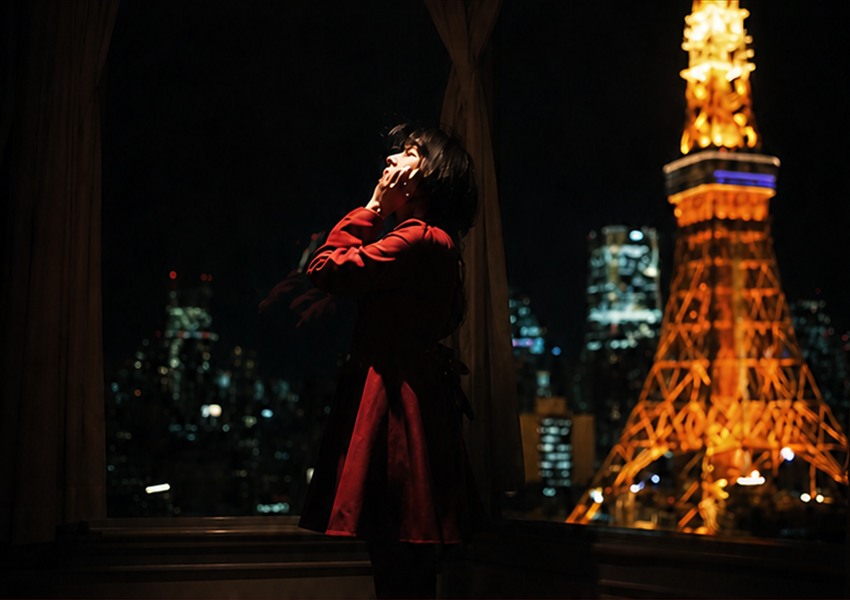
Visiting Tokyo in winter and want the illuminations in your portraits? When the lights switch on, when the crowds thin out, and what to wear for a night shoot — know these first and the evening goes smoothly.
If you're coming to Tokyo in winter, you've probably pictured it: you, in front of a street full of lights, one photo that feels like the holidays. Honestly, this is exactly the kind of shoot worth hiring a photographer for — night portraits taken on a phone usually end up with you in the dark and the lights blown out. Getting both right is harder than it looks.
That said, a night shoot works a little differently from a daytime one. Here's what helps to know first.
Check the Light-Up Times Before You Pick a Shoot Time
Most Tokyo illuminations switch on around 4–5 PM and go off around 10 PM. For 2026, what's announced so far: Roppongi Keyakizaka runs November 5 to December 25, 5 PM to 10 PM; Marunouchi Nakadori runs November 12 to February 14, about 1.2 km of champagne-gold lights; Omotesando is scheduled for December 1 to 25. These are this year's announcements, so double-check before you fly.
Why this matters to you: the shoot has to line up with the lights. Book too early and nothing's lit yet — you're just strolling an evening street. Book too late and the lights are off. The window for "lights fully on, and you're in the frame" is narrower than most people expect.
My suggestion: look up the dates for the illumination you want, then talk through the shoot time with me. The light changes fast around sunset, so we'll lock in a meeting time online beforehand.
Crowds: Picking the Right Evening Changes Everything
Famous illuminations get crowded at night, especially December weekends. Same rule as daytime: no one can promise people-free frames, and I'd never block someone's way for a shot.
Night shoots have one real advantage, though: weeknights are dramatically quieter. If your itinerary allows it, pick a weekday. If only weekends work, we go early and start shooting before the first wave arrives — or duck into a side street, since the lights aren't only on the main drag.
We'll sort out the route online in advance. You don't have to figure out where to dodge the crowds; I'll have a plan for that.
Staying Warm Is a Real Task, Not Small Talk
Tokyo winter nights are genuinely cold — and you'll feel it more standing still for photos than walking around. This isn't about dressing like a marshmallow. It's about dressing smart.
Here's what works: wear the outfit you actually want in the photos underneath, with a warm coat that's easy to take on and off over it. Coat on between shots, coat off when we shoot. A scarf and gloves help too — on when you're not in frame, off when you are.
If a cold snap hits, I'll shorten continuous shooting and build in breaks. Safety comes first, and I'll adjust on the day — nothing for you to worry about.
What to Prepare (It's a Little Different From Daytime)
Good news first: not knowing how to pose is completely fine. A night session starts the same way as a daytime one — walking, standing, simple moves — and I'll demonstrate everything myself. You just follow along.
A few things you can prepare ahead:
- Picture what you want: a whole wall of lights as your backdrop, or just the mood of one streetlamp on a corner? That decides where we go and how we walk it.
- Send me reference photos: if you've seen night portraits you like, screenshot them and tell me what grabbed you — the light, the tones, the mood. I'll tell you what's doable and what needs adjusting.
- Wear shoes you can walk in: it's dark, we're on city streets — comfortable shoes matter more than pretty-but-painful ones.
- Check the venue rules first: public street illuminations are generally fine, but commercial facilities each have their own photography rules. Please check first. I won't take you inside anywhere unconfirmed.
When to Book: Illumination-Season Evenings Go Fast
Late November through Christmas is high season in Tokyo, and shoot bookings fill right along with it. If you know you're coming in December, don't wait until the week before you fly — the slots may be gone.
Pricing is the same as always, by plan, with no peak-season surcharge. No deposit either — you pay in Japanese yen cash on site after the shoot. One thing to know: sending the request isn't the final confirmation. I confirm the date and details on my end before it's official, so the earlier we talk, the more room we have to get the timing right.
You Might Be Wondering
Does a night shoot cost more than a daytime one?
No. Same plans, same prices, day or night.
I can't pose at all, and it's dark — will this even work?
It works. On site, I'll demonstrate the moves and you adjust by following me — no need for constant verbal direction. I'll handle the low-light side of things. Your job is to relax.
What if it rains on the night of the shoot?
Same as daytime: I recheck the weather the day before, and we choose between rescheduling, switching to a covered route, or keeping the rainy-night shoot. I wrote up the details in the rainy-day article — worth a read beforehand.
Can I request a specific illumination?
Yes. Look up its dates and light-up times and send them to me, and we'll build the route together. If the venue has photography rules, please confirm those first.
Your Next Step
Look up the dates for the illumination you want, then check the available dates. Evening slots in illumination season go quickly — when you see a day you like, hold it.