Tokyo Portrait Journal
Want Portraits in Kimono in Tokyo? How to Line Up the Rental and the Shoot
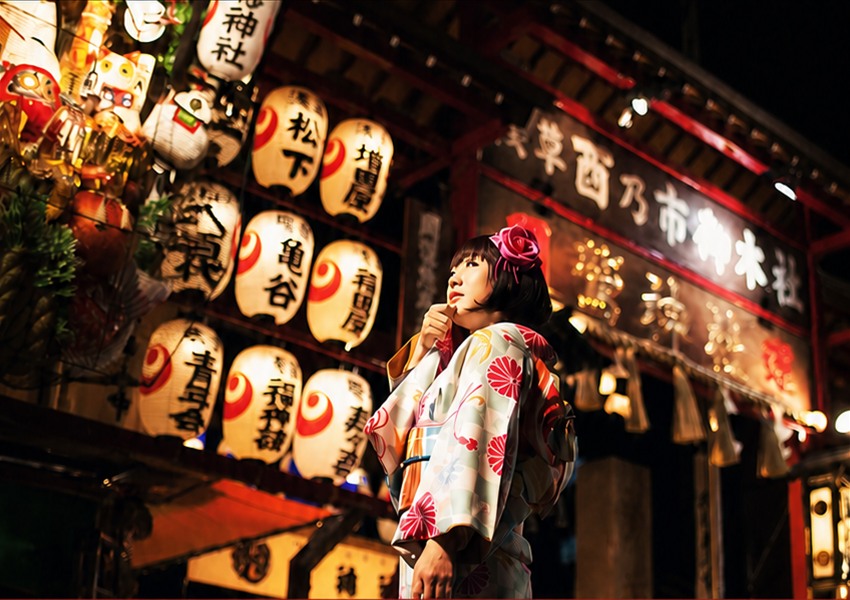
Want portraits in kimono in Tokyo? What time to visit the rental shop, when to meet the photographer, when to return the kimono — this guide lines up the rental and the shoot.
A portrait of you in kimono, with Tokyo behind you — it's one of those photos almost every visitor to Japan wants. But when people actually start planning, most get stuck on the same thing. Not "will it suit me," but timing: where do I rent the kimono, what time do I go to the shop, when do I meet the photographer, and when does the kimono have to go back? If those four times aren't lined up, the whole day feels rushed.
Short answer first: rent the kimono in the morning, start shooting around midday. That's the least stressful way to do it. Here's the full breakdown.
First, understand this: the rental and the photographer are two separate payments
This is the most important point, and the most misunderstood.
- The kimono rental fee goes to the rental shop. It covers choosing the kimono and professional dressing. Many shops include a basic hairstyle for women's kimono. Fancier hair and hair accessories usually cost extra.
- The photography fee goes to the photographer. A session package covers only the shoot and photo finishing — not the rental, hair and makeup, or venue admission fees.
- Some rental shops offer their own "photo plans," but those are usually short shoots with the shop's partner photographer, with a different delivery format. If what you want is a proper portrait session, keep the two arrangements separate: kimono from the kimono shop, photos from your photographer.
Honestly, separating them keeps things cleaner. You always know who you're paying for what.
How to schedule it: using the 90-minute session as the example
Most rental shops require same-day return by the evening — commonly 5:30 or 6:00 PM, depending on the shop. Some offer next-day return for an extra fee. And from walking into the shop to being fully dressed and styled takes about 1 to 1.5 hours. Working backward, the smoothest schedule looks like this:
- 9:00 AM — arrive at the rental shop (book ahead; reserve a few days early for weekends at popular shops)
- 9:00–10:30 — choose your kimono, get dressed, get your hair done
- 10:30 AM–12:00 PM — meet the photographer, 90-minute shoot
- After 12:00 — return the kimono, rest of the day is yours
Why does the 90-minute "Tokyo Walk" fit best? The 40-minute session is too tight for kimono — by the time you're dressed, walked to the spot, and settled in, half the time is gone. The 180-minute "Tokyo Story" is possible too, but you have to factor in the return deadline first. Winter days in Tokyo are short; around mid-December it gets dark near 4:30 PM, and the afternoon light won't wait for you.
Location matters as well: let the meeting point follow the rental shop. Asakusa has the highest concentration of kimono shops, with several shootable spots within walking distance. Two spots in 90 minutes, no train rides in a kimono. That small detail makes a real difference.
When you book, write "kimono shoot" in your request
A lot of people skip this, and then discover on the day that the timing doesn't line up.
- State that you'll be wearing kimono when you apply. The photographer will suggest a meeting point and route based on where your rental shop is — it's planned differently from a regular session.
- Need help finding a kimono shop? Ask early. The photographer can help you look, but the shop, the cost, and feasibility all need to be confirmed case by case. Don't leave it to the day itself.
- Kimono in winter: wear a thin thermal layer underneath and bring a coat to throw on between shots. I've covered winter scheduling in detail in a separate article.
It really comes down to one line: the earlier the photographer knows about the kimono, the smoother the day goes.
Three small tips for shooting in kimono
- Take small steps, take stairs slowly. You can't walk fast in kimono anyway. The photographer will match your pace — no need to rush. A hurried face shows up in photos.
- The sleeves are part of the composition. Smooth them when you sit or turn, and the photo looks noticeably cleaner. It's a small detail unique to kimono portraits.
- You don't need to know poses. During the shoot the photographer demonstrates the movements, positions, and where to look — you just follow along. Kimono posture is naturally reserved, so reserved is exactly right.
FAQ
Can I bring my own kimono?
Yes. Handle hair and makeup yourself, or discuss it with the photographer in advance. Just mention it when you apply.
Does the same schedule work for yukata?
Yukata is the summer option (roughly June–September), and the flow is the same. In winter, kimono is the practical choice — and warmer.
Do I need to reserve the rental shop?
Some shops take walk-ins, but you may wait when it's busy. Booking ahead is safer, especially on weekends. Reservation pages usually list supported languages, so check before you go.
Next step
First, decide which area to rent in (start with Asakusa if you're unsure). Write "kimono shoot" in your booking request. Then work out the timing and route together with the photographer. The next step is checking available dates.